
Know before
you launch.
Windveer is an instrument that flies. The scout climbs the air above your launch — sounding the air for wind, rotor, and the first thermal — and hands you a clear go/no-go before you ever leave the ground.
Read the launch before you fly it.
You can feel the wind at your feet. You can't feel the rotor rolling off the spine eighty meters up, or the valley wind about to switch. The scout flies a sounding of the exact air column you're about to launch into and maps what your body can't sense from the ground.
- Wind & gust profile — Reads direction and strength at launch height and along the ridge, not just at your feet.
- Rotor detection — Flags turbulence forming behind the terrain before you commit to your run.
- First-thermal confirmation — Confirms whether the first climb is actually there, so you launch into lift, not sink.

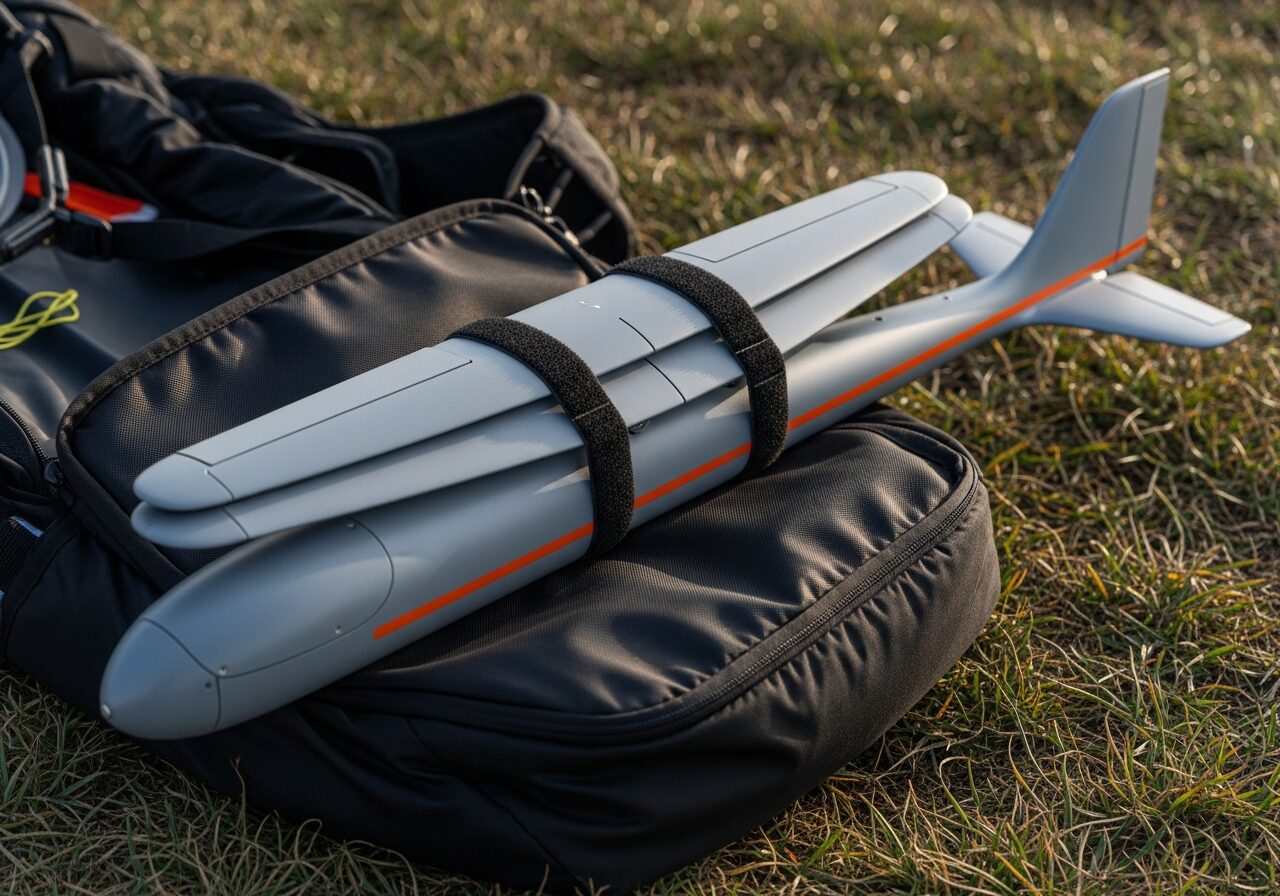
A wing, not a quadcopter.
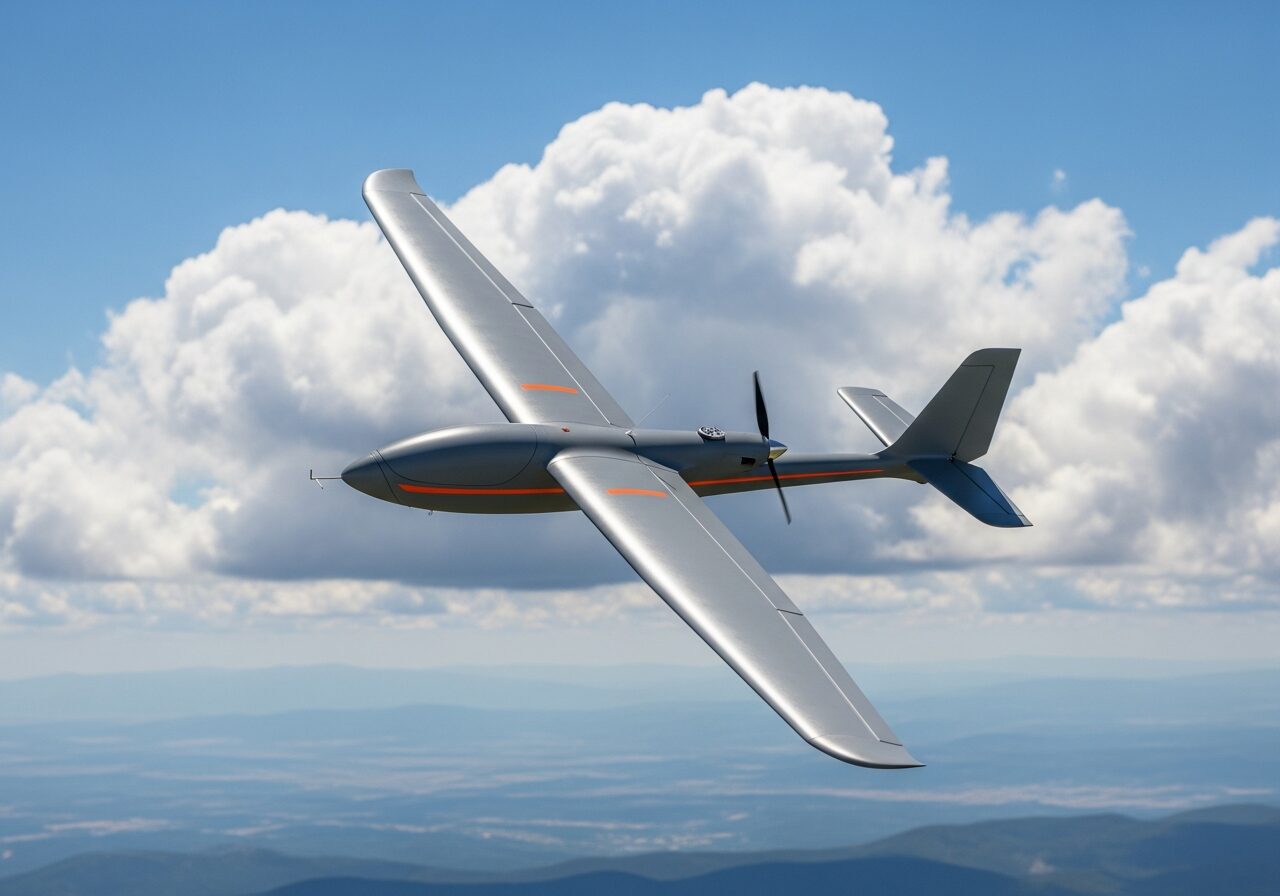
We built the scout as a collapsible fixed-wing for one reason: a wing flies the way your wing flies. It glides, banks, surges, and sinks in the same air your paraglider is about to enter — so what it feels is what you will feel.
It feels the air like a glider
A multicopter powers through turbulence; a wing gets lifted, sunk, and shoved by it. Every surge and wing-drop the scout flies through is signal, not noise.
Calibrated against real flights
Proprietary sensing algorithms, calibrated on thousands of logged paraglider flights, translate the scout's motion into the updrafts and rotor your glider would actually feel.
Folds to forearm length
The wings fold flat along the fuselage. It packs to 38 cm in a harness back pocket, and hand-launches in seconds.
The best flight is sometimes the one you skip.
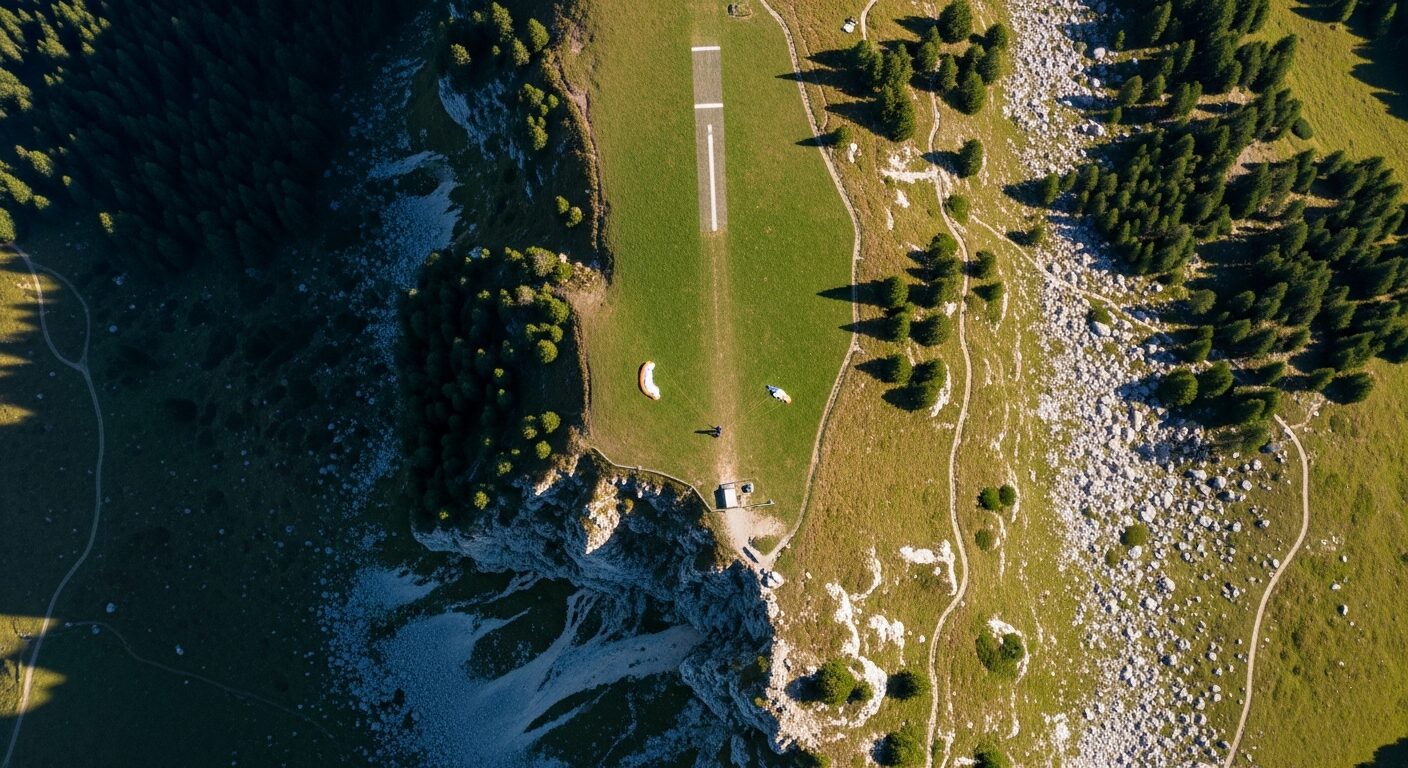
On a gusty midday cycle the scout carves slow figure-eights out past the lip, reading the air rolling off the terrain. When rotor is building where you'd be climbing, it says so — in plain language, on your phone, before you clip in.
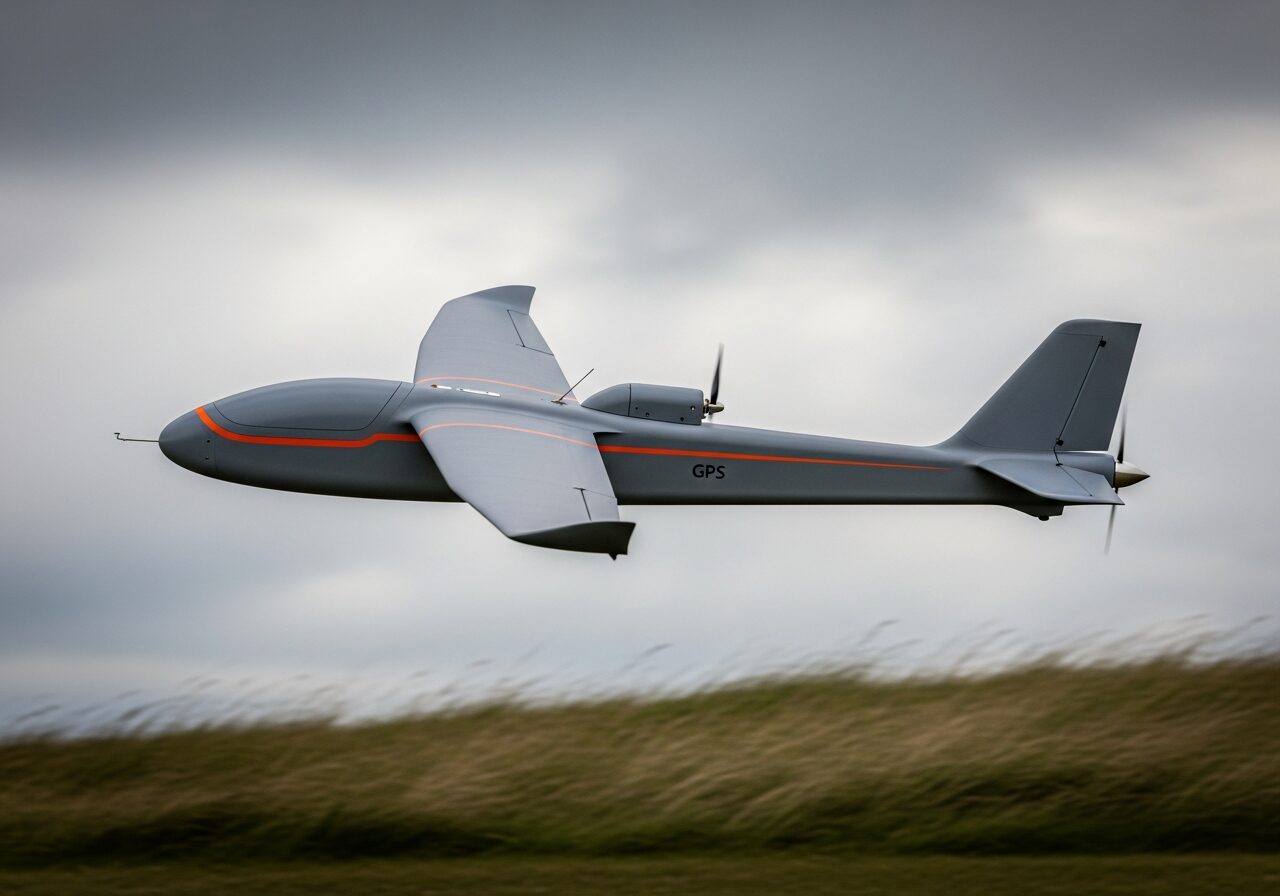
It tells you when the day turns on.
Toss it off launch and it flies lazy figure-eights out front, feeling the cycles the way your glider would. When the first thermals start pulling through, your phone knows before your skin does. Less parawaiting, more flying.
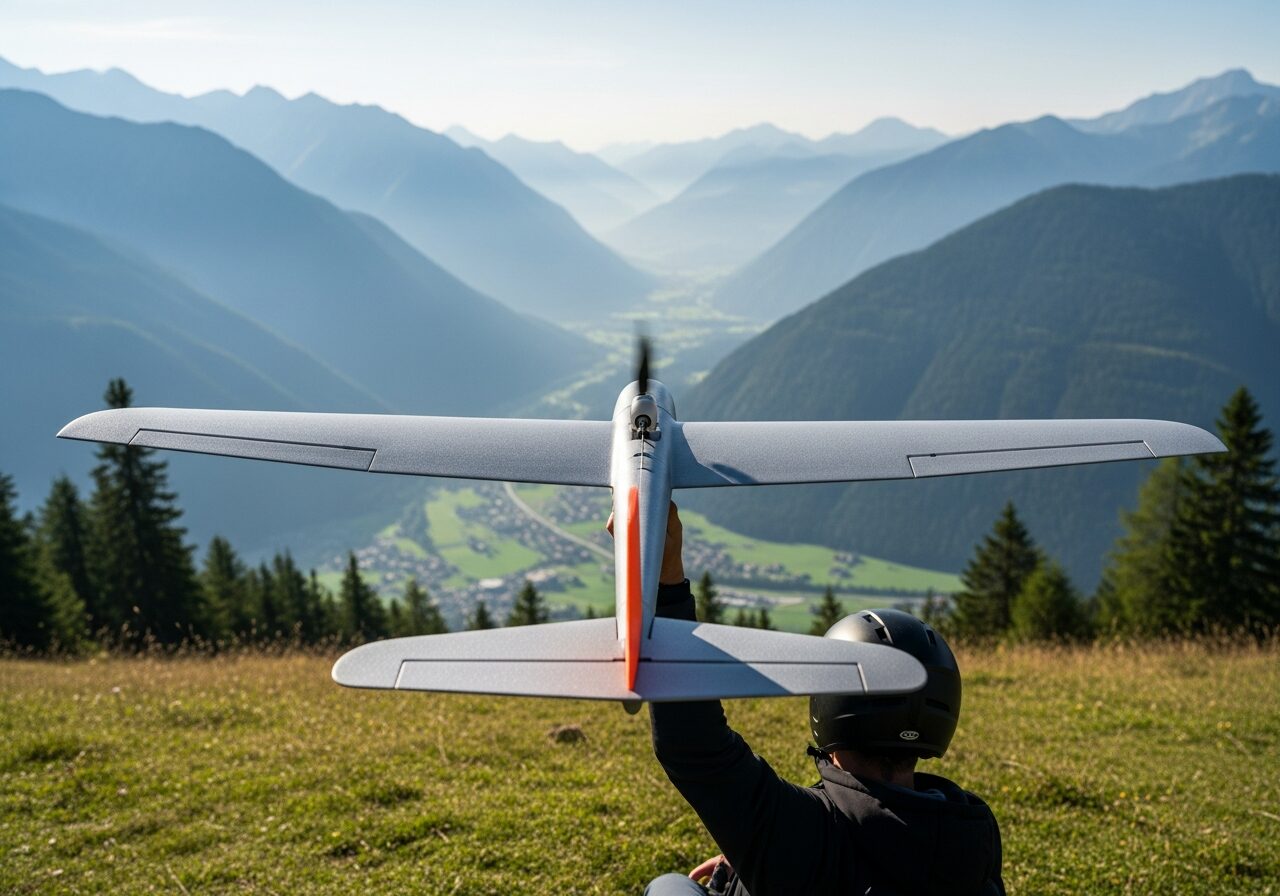
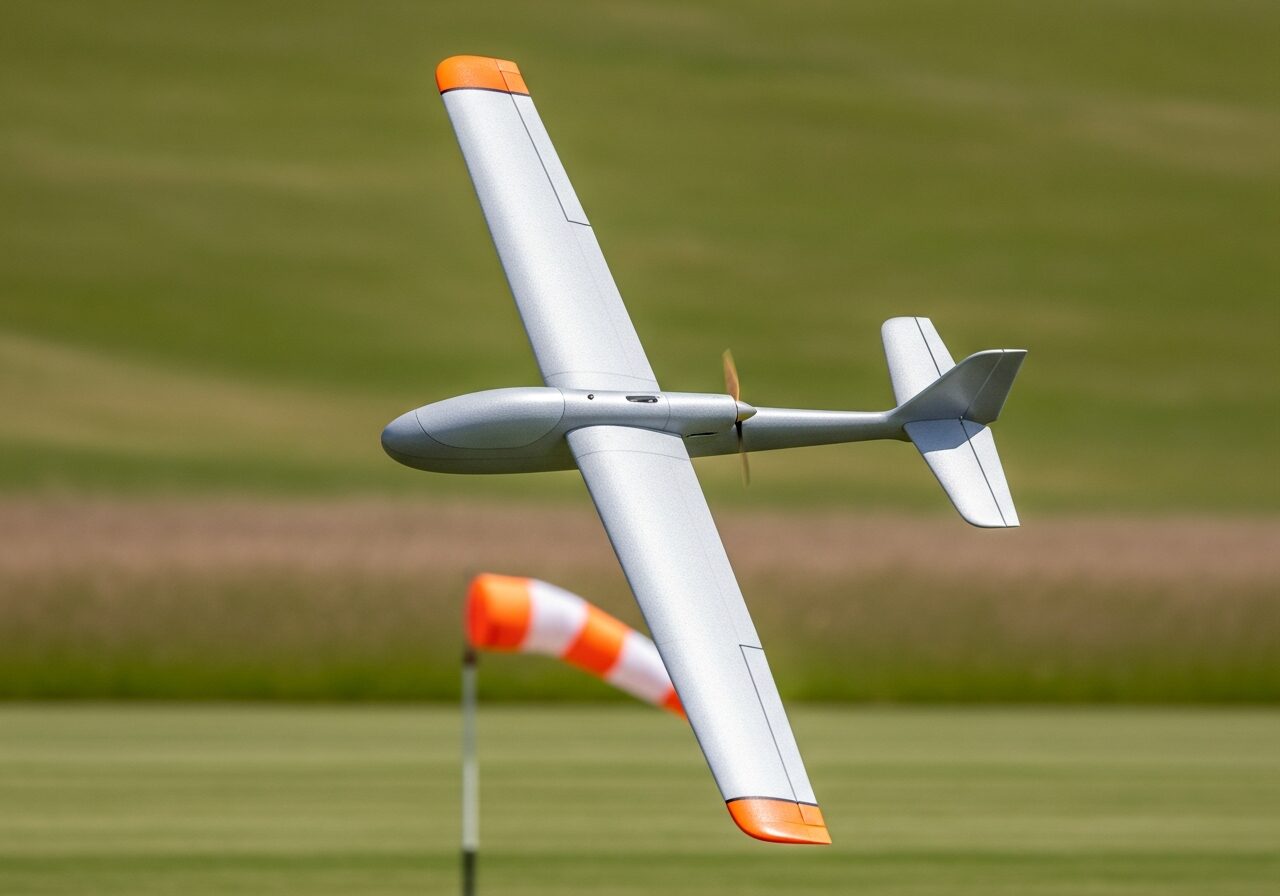
File it next to your vario.
Meteorology has flown its instruments for a century — every forecast you checked this morning started life as a radiosonde under a balloon. Windveer belongs to that lineage. It is a sensing package with wings: it flies a fixed scan pattern, measures the air, lands, and its only output is data.
The next step after the windsock
You already trust instruments that read the air: the windsock, the club station, the meter in your pocket. Each one reads a single point. The scout is the first that goes to where you are actually about to fly.
No camera. On purpose.
There is no lens on this airframe and there never will be. Nothing is filmed, nothing ends up online. It reads pressure, temperature, and motion — that is all it can do.
Calibrated like the instrument it is
Every unit is wind-tunnel calibrated before it ships and carries its own numbered calibration certificate. Annual recalibration keeps the readings honest — the same discipline as your reserve repack.
They said it was impossible.
Free-flight is unforgiving, and pilots are right to be skeptical of gadgets. But misjudged wind and aerology sits behind roughly a third of incident reports — and it is the one part of your pre-flight you have always had to guess. Here is exactly how the scout earns its place, and what it does not pretend to do.
A drone can't tell me anything I don't already feel on launch.
The Reality:At takeoff you feel ground-level wind. You can't feel the rotor rolling off the spine, the gradient eighty meters up, or the valley wind about to switch. The scout reads the air you're about to launch into — not the air at your feet.
By the time I set it up, my window is gone.
The Reality:Ninety seconds from pack to airborne. The scout scans while you lay out and clip in, then calls the result before you're ready to run.
Conditions change — a scan from ten minutes ago is worthless.
The Reality:So you don't fly one. The scout streams live and re-flies on demand. You launch on the freshest possible read, seconds before you commit.
This takes the soul out of free flight.
The Reality:You still read the sky and make the call. We just delete the blind guesswork about the air you physically cannot see from the ground.
Built to send up first.
Rugged, packable, and honest about conditions. Everything you need to read a launch before you fly it.
WV-1 Scout
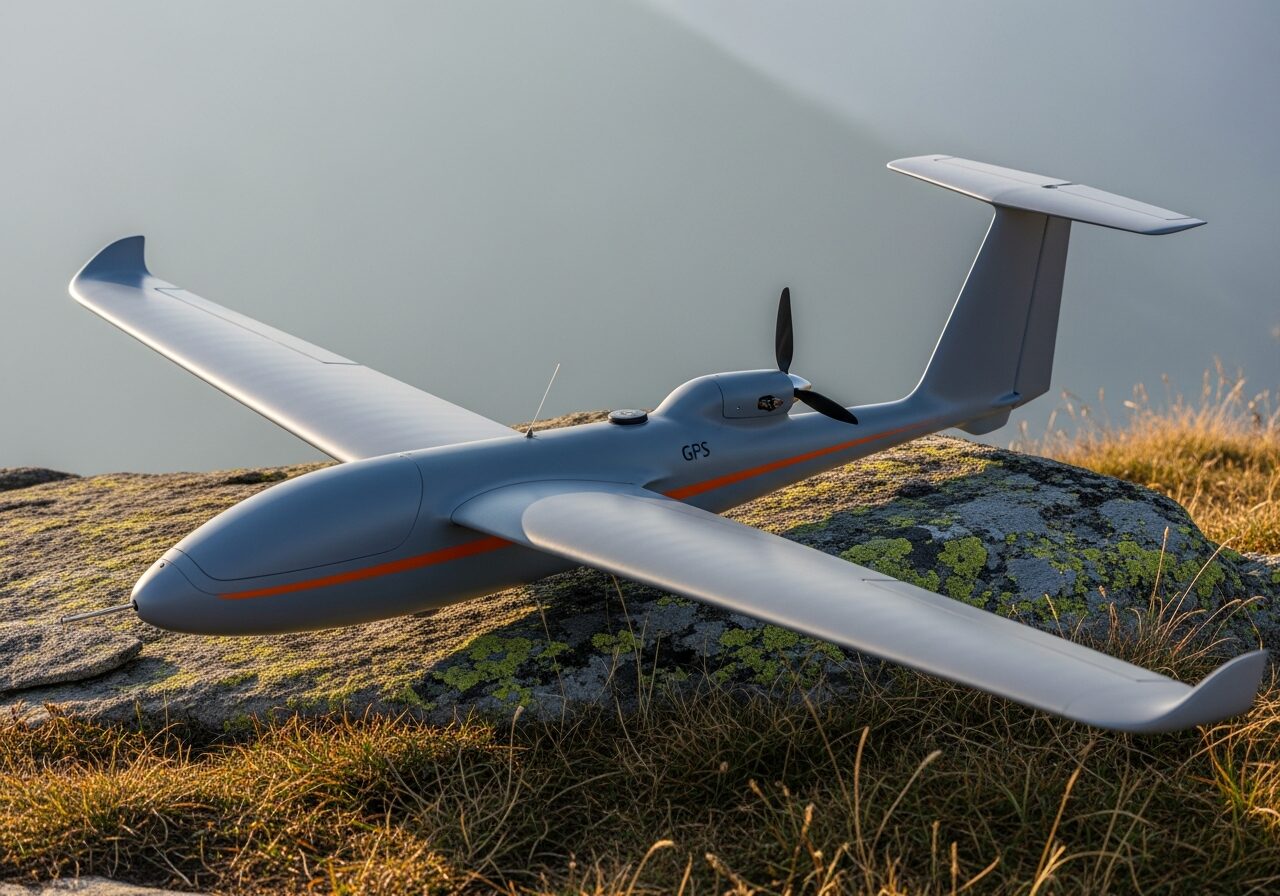
The one you send up. A 240g collapsible fixed-wing — carbon-spar, EPP-skinned airframe housing differential barometers, RTK GPS, an IMU, and a thermal-gradient sensor.
- 6-min scan flight
- Wind, rotor & thermal sensing
- Wings fold flat — packs to 38 cm
- Numbered calibration certificate in the box
WV-Pro Scout
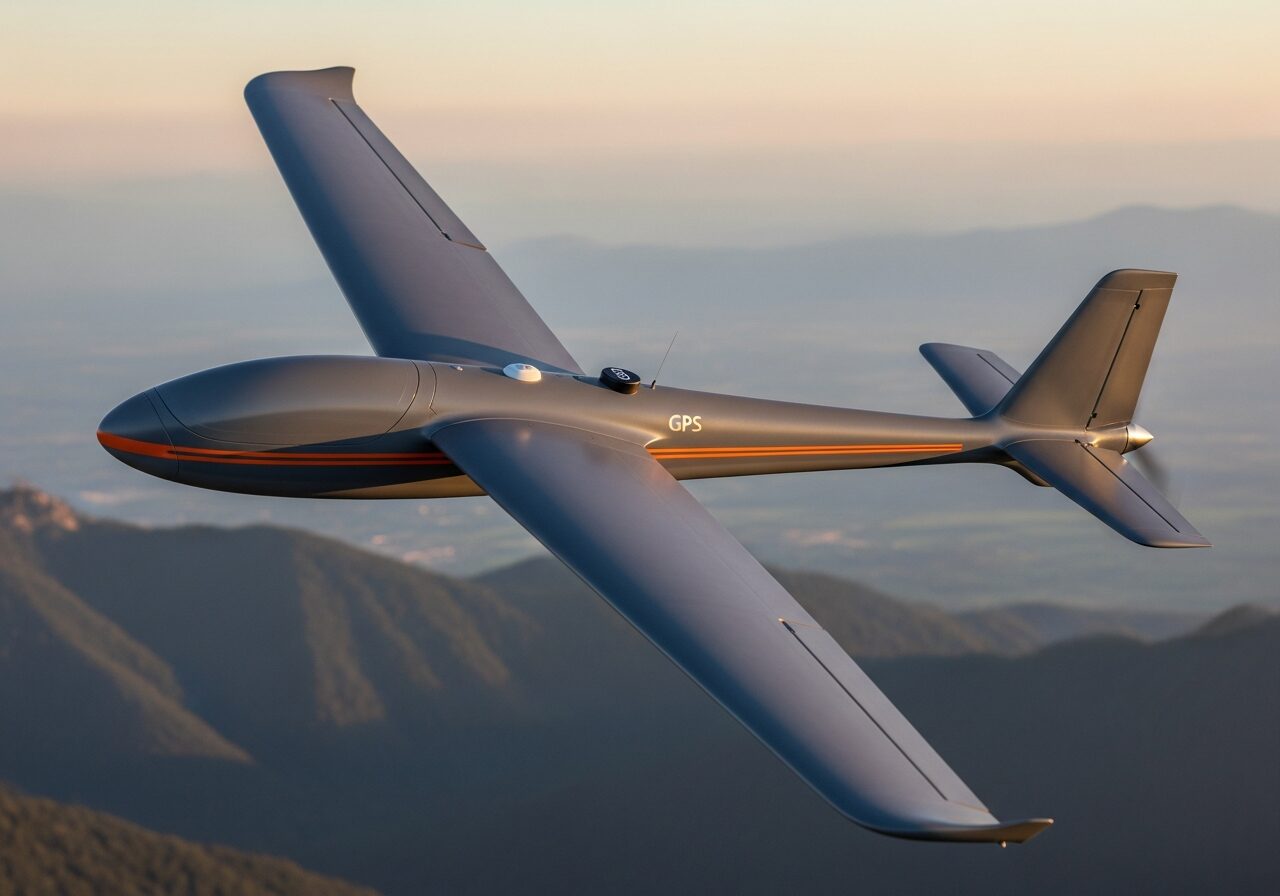
More endurance, a higher ceiling, and the wind tolerance to scan the days when you most want a second opinion.
- 45-min soaring endurance
- Penetrates 35 km/h headwinds
- Live air-data downlink · 600m ceiling
- Annual recalibration program included
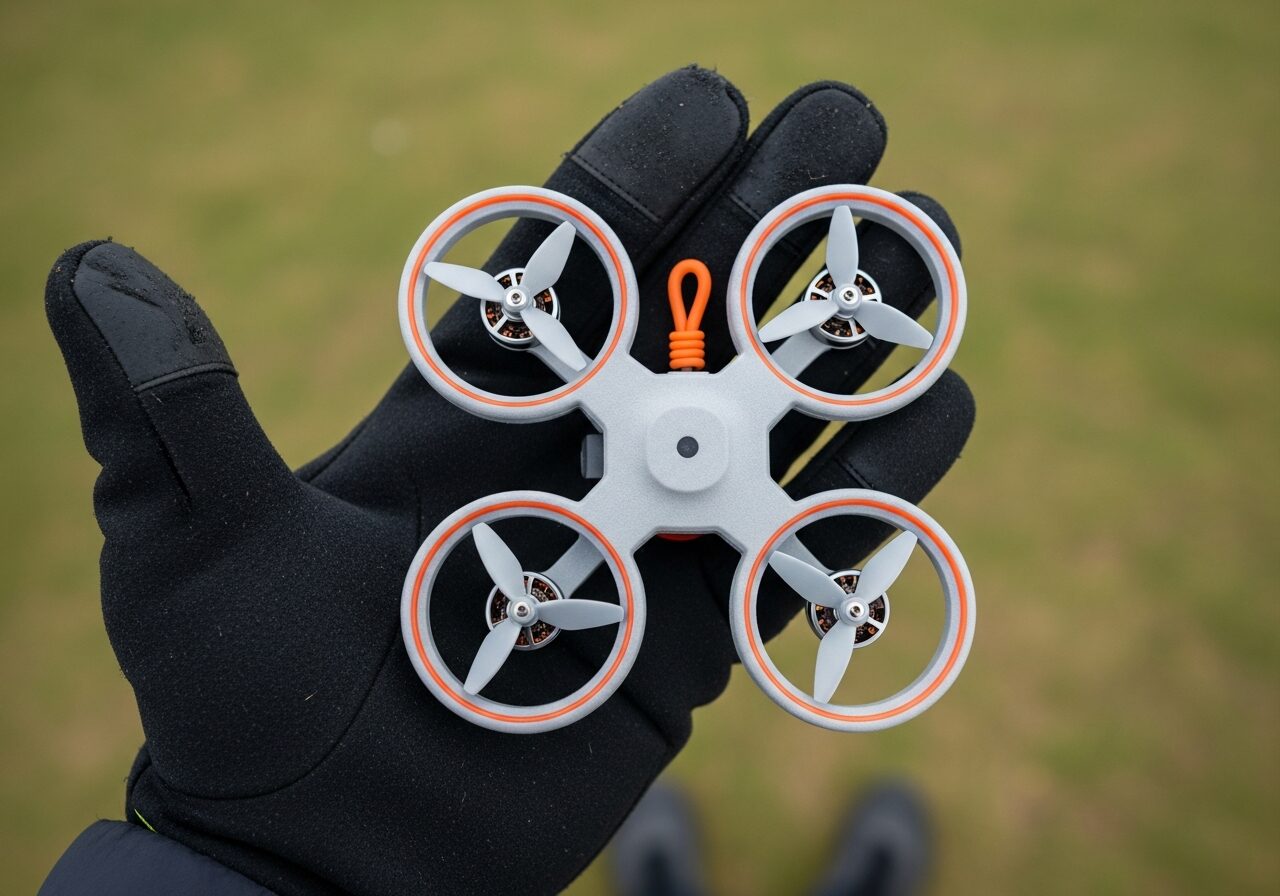
What's next: the swarm.
Scouting is phase one — one honest look before you commit. Phase two shrinks the scout to the palm of your hand: a handful of micros that fly formation around you, then tuck away on your harness between climbs. Reserve now and you are first in line when it ships.
In-flight thermal mapping
The micros stay ahead of your glide path, painting the thermal core to your display for the whole flight.
Perch on the pod
Between climbs they settle on the pod of your harness and sit flush — ducted rotors, nothing to snag a line, nothing in your hands. They trade the scout's wing for the ability to land on you, and redeploy the moment you want a read on the next climb.
Live 3D air map
A continuous, high-resolution picture of the air around you — not just at launch, but everywhere you fly.
Trusted where it counts.
412 pilots send a scout up before they fly — in the Alps, the Rockies, and the Himalayas. On more and more hills, it has quietly replaced the wind dummy.
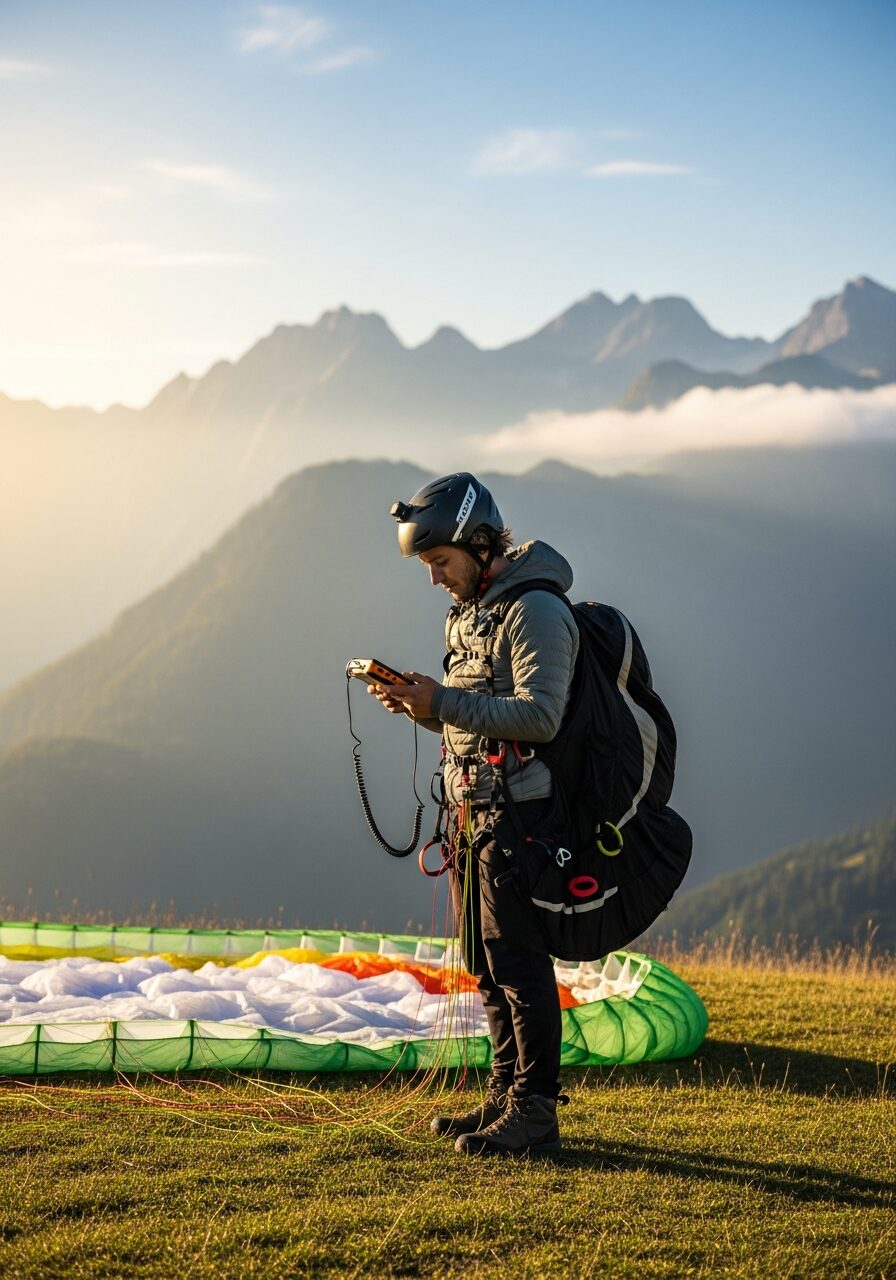
"I sent the scout up while I laid out my wing. It came back showing the valley had switched to a katabatic flow I couldn't feel on launch. I waited twenty minutes and got a clean cycle instead of a beat-down."
"Launching in sketchy midday conditions, the scout picked up severe rotor forming behind the spine before I committed to takeoff. I packed up and drove down. It's the best flight I never made."
"In the Himalayas a bad launch decision is the whole trip. Now I don't guess — I get a read on the air above me before I run. That confidence has completely changed how I fly."
Technical FAQ
Stop guessing.
Every launch is a decision. Make it with an instrument, not a hunch. Production is limited — reserve a scout to hold a spot in the next manufacturing batch.
Reserve a ScoutFully refundable deposit. Current lead time: 4-6 weeks.